Smart technology apps are transforming everyday life into a scene straight out of a sci-fi movie. Imagine controlling your home’s lights, thermostat, and even your coffee maker—all from your phone. Gone are the days of fumbling for switches or arguing over the thermostat settings. Now, with just a tap or a voice command, you can create the perfect ambiance for binge-watching your favorite series or get your home ready for guests without lifting a finger.
Overview of Smart Technology Apps
Smart technology apps provide users with seamless control over their home environments. These applications connect devices directly to smartphones, making it easy to manage settings from anywhere. Users can adjust lighting preferences, manage thermostats, or brew coffee, all through simple taps or voice commands.
Many platforms integrate multiple devices, allowing for the creation of automated routines. For instance, users can set schedules to turn off lights when leaving for work or adjust thermostats before arriving home. Data-driven insights further enhance user experience, enabling smarter decision-making based on energy consumption patterns.
Numerous smart technology apps prioritize security and convenience. Some include features that allow for remote monitoring of home security cameras. This capability provides peace of mind by ensuring users stay informed about their home’s safety.
Popular smart home ecosystems, such as Google Home and Amazon Alexa, offer compatibility with hundreds of devices. These ecosystems continuously expand, enabling a growing range of appliances to connect and respond to user input.
Research indicates that smart technology adoption is increasing rapidly, with figures showing a significant growth rate in the market. According to recent surveys, 60% of homes in the U.S. use at least one smart device. This shift reflects broader trends toward automation, energy efficiency, and enhanced connectivity in daily life.
Overall, smart technology apps enhance comfort and streamline tasks, demonstrating the potential for technology to transform household management. Users benefit from personalization and improved convenience, helping them enjoy a more efficient lifestyle.
Benefits of Smart Technology Apps
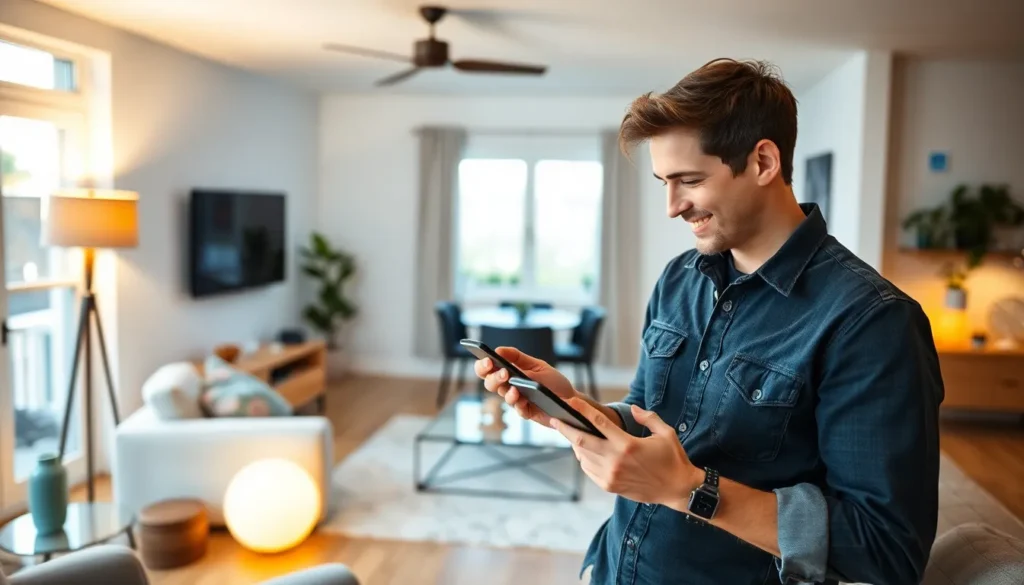

Smart technology apps significantly improve daily tasks and enhance living environments. Users enjoy a range of advantages, including heightened efficiency and superior user experiences.
Enhanced Efficiency
Smart technology apps streamline household operations. Users can control devices such as lights, thermostats, and security cameras remotely, saving time and effort. Automation features allow individuals to schedule tasks, reducing manual interventions. According to recent data, 60% of U.S. homes utilize at least one smart device, reflecting the desire for improved efficiency. Automated routines can adjust settings based on user preferences, providing tailored solutions that simplify daily life.
Improved User Experience
Smart technology apps create intuitive interfaces that cater to user needs. Voice commands enhance accessibility, enabling hands-free control of household devices. Customizable settings allow users to personalize their environments seamlessly. Remote monitoring capabilities boost peace of mind, especially concerning home security. Popular platforms like Google Home and Amazon Alexa support diverse devices, ensuring compatibility and ease of use. These features contribute to a more enjoyable and effortless living experience.
Popular Categories of Smart Technology Apps
Smart technology apps fall into several key categories, each offering unique benefits and features. Users consistently find solutions tailored to enhance their daily routines.
Home Automation
Numerous apps focus on home automation. These tools allow the management of lighting, heating, and appliances from smartphones or voice-activated devices. Users can create schedules or routines for devices, providing convenience and energy savings. Popular smart home platforms, such as Google Home and Amazon Alexa, enable seamless integration of various smart devices, emphasizing user-friendly interfaces. Remote access to security cameras and smart locks enhances peace of mind, offering users reassurance regarding home safety.
Health and Fitness
Health and fitness apps continue to gain traction among users aiming for improved well-being. These applications track various metrics, from daily steps to sleep patterns. Integration with wearable technology allows for real-time health monitoring, enabling individuals to set and achieve personal goals. Users benefit from customized workout plans and nutritional guidance, making it easier to maintain a healthy lifestyle. Social features often connect users with communities, fostering motivation and accountability, further enhancing their fitness journeys.
Personal Finance
Smart technology apps also play a significant role in personal finance management. Numerous users utilize these tools to track expenses, create budgets, and manage investments. Budgeting apps, such as Mint and YNAB, facilitate financial awareness and goal setting. Secure connections to bank accounts simplify transaction monitoring, providing users with real-time updates. Alerts on spending and savings milestones keep users informed and engaged, ultimately leading to better financial decision-making.
Challenges and Considerations
Smart technology apps offer substantial benefits, but users face several challenges that need consideration.
Security Concerns
Security stands as a primary concern in the realm of smart technology apps. These apps often require sensitive personal data for proper functionality. Data breaches pose risks, exposing users to identity theft or fraud. Implementing strong passwords and enabling two-factor authentication enhances security. Regularly updating apps reduces vulnerabilities and protects devices from malware. Many users overlook security protocols, leaving their homes and personal information unprotected. Research indicates that 43% of breaches involve small businesses, emphasizing the importance of security for individual users as well.
Compatibility Issues
Compatibility issues frequently arise with smart technology apps due to diverse devices and ecosystems. Not all smart devices work seamlessly together, complicating the user experience. Users may find themselves restricted to specific brands or ecosystems, limiting their options for device integration. Many manufacturers design their products to function optimally within their ecosystems, leading to fragmented experiences. According to recent surveys, 55% of users expressed concerns over device compatibility when selecting smart technology. Prioritizing compatible devices streamlines operations and enhances overall usability.
Future Trends in Smart Technology Apps
Emerging trends in smart technology apps indicate a shift towards enhanced artificial intelligence integration. AI algorithms now analyze user behavior, leading to more personalized experiences. Machine learning capabilities help adapt home automation settings based on preferences, making management effortless.
Advancements in voice recognition technology are also prominent. Users can interact with applications using natural language commands, resulting in smoother operations. Improved comprehension allows smart technology to respond accurately to context, further enhancing user interactions.
In addition, data privacy measures continue to evolve. Enhanced encryption and user-controlled data sharing settings gain importance, addressing growing security concerns. Businesses must implement robust protocols to assure users their information remains protected.
Investment in connectivity solutions also captures attention. Technologies like 5G support faster communication between smart devices, enhancing real-time responsiveness. As connectivity improves, users will benefit from smoother app experiences and increased device interoperability.
Healthcare applications experience significant growth, particularly post-pandemic. Remote monitoring features in health and fitness apps provide vital data to users, enabling timely interventions. Smart technology in this sector supports self-management of health conditions, contributing to proactive wellness.
Sustainability focuses on energy efficiency, prompting the development of apps that monitor usage patterns. By analyzing energy consumption, users can minimize waste and lower costs. Sustainability initiatives align with trends toward greener living, appealing to environmentally conscious consumers.
Integration with emerging technologies is crucial. Smart transportation solutions, like apps that optimize vehicle performance, showcase innovation in everyday life. As users adopt smart technology apps, keeping pace with these advancements ensures they reap the benefits fully.
Smart technology apps are undeniably reshaping how individuals interact with their environments. By simplifying daily tasks and enhancing convenience, these apps empower users to take control of their homes and lives like never before. With the integration of advanced features and a focus on user experience, smart technology continues to evolve, offering greater efficiency and personalization.
As security and compatibility issues are addressed, the potential for these apps to improve quality of life becomes even more pronounced. The future promises exciting advancements in artificial intelligence and connectivity that will further enrich user experiences. Embracing smart technology apps is not just about convenience; it’s about transforming everyday living into a more efficient and enjoyable journey.