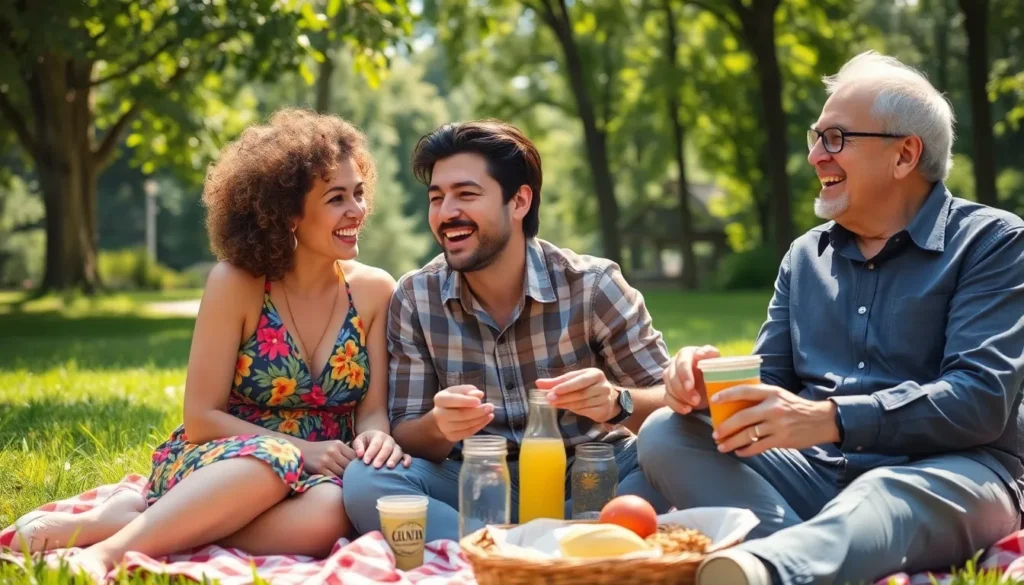
In a world where love and attraction often feel like a game of chance, “aegosexyal” emerges as a fascinating concept that flips the script. This term, blending age and sexual attraction, invites a fresh look at relationships that defy conventional norms. It’s not just about the numbers; it’s about the vibes, the connections, and the irresistible pull that can spark between individuals, regardless of their age.
Overview of Aegosexyal
Aegosexyal represents a unique intersection of age and sexual attraction. This concept challenges societal norms regarding age differences in romantic relationships. Individuals often find themselves attracted to partners outside typical age boundaries. Rather than focusing solely on age, aegosexyal emphasizes emotional connections and chemistry.
Connections drive this type of attraction, highlighting how shared interests and experiences can foster intimacy. A deeper understanding of each other’s emotions often enhances relationships, leading to stronger bonds. Individuals involved in aegosexyal relationships frequently express a preference for partners who resonate with their life experiences, irrespective of age.
Chemistry plays a vital role in these relationships. Many find that the vibes shared between partners can outweigh age-related concerns. Emotional maturity often serves as a key attribute in these dynamics, sometimes leading to more fulfilling connections. Real-life examples illustrate how age disparities can lead to successful and enriching relationships when partners engage meaningfully.
The growing acceptance of aegosexyal relationships reflects changing societal attitudes. Increasingly, people appreciate the significance of genuine connections over conventional expectations. This shift paves the way for diverse relationship structures, fostering an environment where individuals feel empowered to pursue attractions that defy age norms.
Features of Aegosexyal
Aegosexyal presents several defining features that distinguish it from traditional attraction models. These characteristics highlight how emotional connections can transcend age.
Unique Characteristics
Emotional connections form the core of aegosexyal attraction. Individuals often find themselves drawn to partners based on shared interests and experiences. Genuine chemistry plays a crucial role, as it cultivates deeper bonds between people. Vibes created through interactions often outweigh biological age. Furthermore, emotional maturity becomes critical, allowing partners to communicate and connect effectively regardless of age differences.
Main Components
Several components contribute to the aegosexyal experience. First, chemistry between individuals enhances their attraction. Personal experiences create a sense of familiarity, which strengthens relationships. Second, mutual respect nurtures understanding across ages. Third, shared values align partners, fostering deeper connections. Age becomes secondary as attraction thrives on compatibility and emotional depth. Lastly, societal acceptance encourages individuals to embrace these connections, enabling them to prioritize genuine partnerships over age-related judgments.
Benefits of Aegosexyal
Aegosexyal attraction offers several advantages that extend beyond conventional relationship dynamics. Understanding these can empower individuals to embrace diverse connections.
Health Advantages
Emotional well-being improves through satisfying relationships that align with personal values. Engaging in emotionally fulfilling partnerships often leads to reduced stress levels, encouraging healthier lifestyles. Studies indicate that individuals in stable relationships experience better mental health outcomes, including lower anxiety and depression rates. Furthermore, meaningful connections can foster support systems that contribute to overall life satisfaction and longevity. Thus, the health advantages of aegosexyal relationships are profound, positively influencing both emotional and physical health.
Social Implications
Aegosexyal relationships challenge typical societal norms, promoting inclusivity and acceptance. Embracing diverse age pairings fosters dialogues around ageism, encouraging broader understanding and respect for personal choices. Changing perspectives on love facilitate community acceptance and can lead to stronger social ties. Interactions between different age groups often yield opportunities for shared experiences, enriching the lives of individuals. These social implications highlight the movement toward valuing emotional connection over age boundaries in romantic partnerships.
User Experiences
Aegosexyal attraction generates varied and enriching experiences for individuals. Real-life insights showcase how age doesn’t define emotional connection.
Testimonials
Individuals share their stories, highlighting profound emotional connections. One respondent stated, “The age difference doesn’t matter when shared interests ignite the spark.” Another participant expressed, “We connect on every level, allowing our relationship to thrive.” These testimonies underscore the idea that genuine chemistry forms the foundation of successful partnerships, regardless of age.
Case Studies
Numerous case studies provide insight into aegosexyal relationships. In one example, a 45-year-old and a 29-year-old couple reported improved communication skills and emotional maturity. Their shared experiences fostered a strong bond, with each partner appreciating unique perspectives. Another case featured a couple both in their 30s, illustrating the importance of mutual respect and compatibility. Their story exemplifies how age becomes irrelevant when two people share values and a genuine connection.
Aegosexyal attraction reshapes the landscape of romantic relationships by prioritizing emotional connections over age. This evolving perspective fosters deeper bonds through shared experiences and mutual respect. As society increasingly embraces these dynamics, individuals find empowerment in pursuing relationships that defy conventional norms.
The benefits of aegosexyal relationships extend beyond personal fulfillment, contributing to improved mental health and overall life satisfaction. By challenging ageism and promoting inclusivity, these connections enrich lives and encourage open dialogues. Ultimately, aegosexyal serves as a reminder that genuine chemistry and emotional maturity can transcend age, leading to meaningful partnerships that thrive on compatibility and understanding.